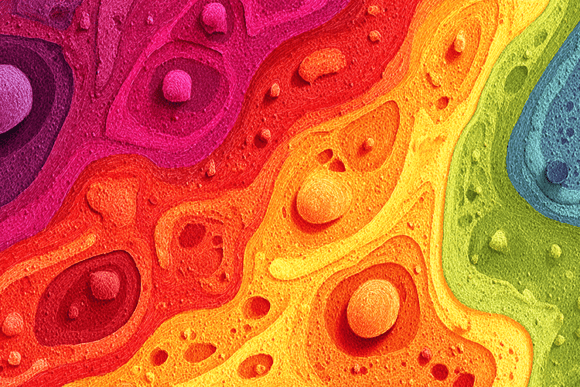
Psychedelic 3D Abstract Rainbow Background
In the realm of digital asset selection, visual impact is often the primary driver for creators. Among the vast library of available textures and backgrounds, the Psychedelic 3D Abstract Rainbow Background stands out as a specific niche product designed for high-impact visual communication. This asset, characterized by its vibrant abstract rainbow 3D texture with embossed bubble-like patterns, offers a distinct aesthetic that diverges from minimalist or corporate design trends. With specifications such as a resolution of 5824 x 3264 pixels in JPG format, it provides a tangible solution for designers seeking depth, color saturation, and organic complexity in their work.
Understanding the Asset
To evaluate this background effectively, one must first understand its structural and aesthetic components. The term "Psychedelic" in this context refers to a style rooted in the visual distortions associated with altered states of consciousness, though in modern graphic design, it has evolved to represent bold, saturated colors and fluid, non-representational forms. The "3D Abstract" descriptor indicates that the image utilizes shading, lighting, and perspective to create an illusion of volume on a two-dimensional plane. The "Rainbow" aspect ensures a full spectrum of hues, while the "embossed bubble-like patterns" suggest a tactile quality, giving the flat image a sense of physical presence.
The technical specifications are crucial for practical application. A resolution of 5824 x 3264 pixels equates to approximately 19 megapixels. This level of detail classifies the file as "High Resolution" and "Print Ready." For context, this resolution supports large-format printing without significant pixelation, making it suitable for posters, banners, and wall art. The JPG format, while compressed, remains widely compatible across various software platforms, from Adobe Creative Cloud suites to simpler web-based design tools.
Primary Use Cases and Applications
The versatility of this specific background allows it to serve multiple functions across different media types. Its suitability depends largely on the intended audience and the emotional response the designer wishes to evoke.
- Rave Posters and EDM Flyers: The energetic and chaotic nature of the embossed bubbles aligns well with electronic dance music (EDM) culture. The bright, clashing colors draw attention, which is essential for event promotion where standing out in a crowded feed or physical space is critical.
- Bold Wall Prints: Due to its high resolution, this image can function as standalone art. The 3D effect creates a sense of movement that can enliven a static room. It serves as a focal point in spaces designed for creativity or leisure.
- Digital Wallpapers: On high-density displays (such as Retina screens), the intricate details of the bubbles remain visible. It provides a visually stimulating desktop environment without overwhelming text legibility if used as a backdrop for icons.
- Clothing Patterns: The repeating potential of the bubble texture makes it a candidate for textile design. When scaled appropriately, the pattern can be printed on fabrics for t-shirts, scarves, or accessories, offering a trendy, retro-futuristic look.
Evaluating Benefits and Tradeoffs
Selecting any design asset involves weighing its advantages against potential limitations. Understanding these factors helps prevent mismatches between the asset and the project goals.
Benefits
The most significant advantage of this background is its immediate visual appeal. The combination of 3D rendering and vibrant colors requires minimal additional editing to achieve a striking result. Designers save time because the complex textures are pre-generated. Furthermore, the high resolution ensures longevity; assets created today may need to be repurposed for larger formats in the future, and starting with a 5824 x 3264 px file mitigates the risk of upscaling artifacts.
Tradeoffs and Considerations
However, the intensity of this design presents challenges. The "busy" nature of the abstract pattern can compete with foreground elements. If used as a background for text-heavy flyers, readability may suffer unless significant contrast adjustments or overlays are applied. Additionally, the psychedelic aesthetic is polarizing. While it appeals to specific subcultures, it may appear unprofessional or distracting in corporate, medical, or legal contexts where clarity and sobriety are preferred.
Another consideration is the file format. JPG is a lossy compression format. While convenient, it does not support transparency. If a designer needs to blend this background seamlessly into another layer or remove parts of it, a PNG or PSD file would be more appropriate. However, for solid rectangular fills, JPG remains efficient.
Situational Fit: When to Choose This Background
This asset is a strong fit when the goal is to evoke energy, nostalgia, or creativity. It is particularly effective for projects targeting younger demographics or those within the entertainment industry. If a brand identity relies on boldness and non-conformity, this background reinforces those values through its visual language.
It is also ideal for temporary digital campaigns. Social media stories, banner ads, and promotional graphics often benefit from high-saturation visuals that capture attention quickly. The 3D element adds a layer of sophistication compared to flat 2D gradients, suggesting a higher production value.
When to Consider Alternatives
Conversely, alternatives should be considered if the project demands subtlety. For example, if designing a business card or a formal invitation, the chaotic nature of the rainbow bubbles may detract from the message. In such cases, a solid color, a subtle gradient, or a low-opacity texture would be more appropriate.
If the project requires extensive manipulation of the background—such as isolating specific bubbles or changing the color palette dynamically—a vector-based illustration or a layered Photoshop file would offer greater flexibility than a flat JPG raster image. Similarly, if the output medium is strictly print but requires precise color matching (e.g., Pantone spots), a CMYK TIFF or EPS file might be necessary, as standard RGB JPGs can shift colors during the printing process.
Practical Decision-Making Insights
Before integrating the Psychedelic 3D Abstract Rainbow Background into a workflow, designers should perform a quick audit of their project requirements. Ask whether the target audience will respond positively to high-energy visuals. Evaluate the amount of white space needed for text or logos. Determine if the final output will be viewed primarily on screens or in print, as this affects how the RGB colors translate.
Ultimately, this asset is a specialized tool rather than a universal solution. Its value lies in its ability to provide instant, high-quality complexity. By understanding its strengths in vibrancy and resolution, as well as its limitations regarding readability and format flexibility, users can make informed decisions that enhance their creative output.