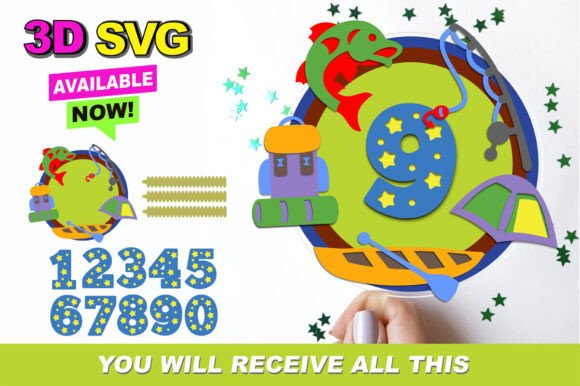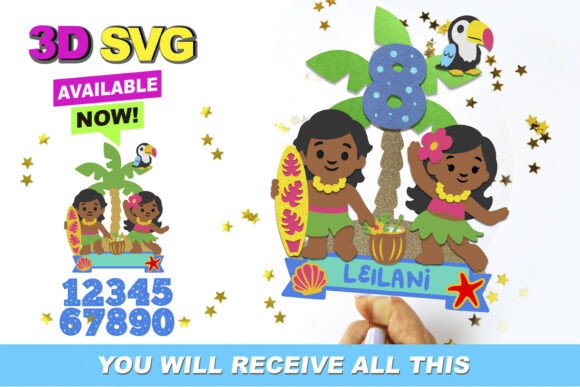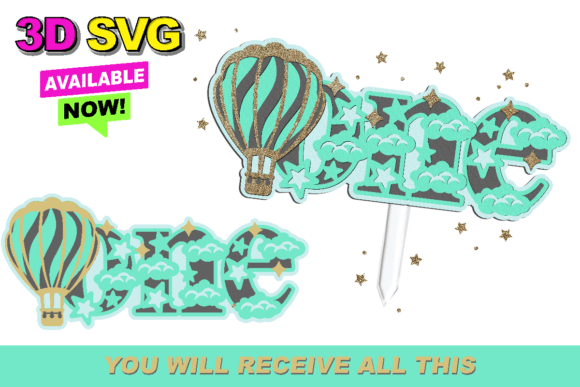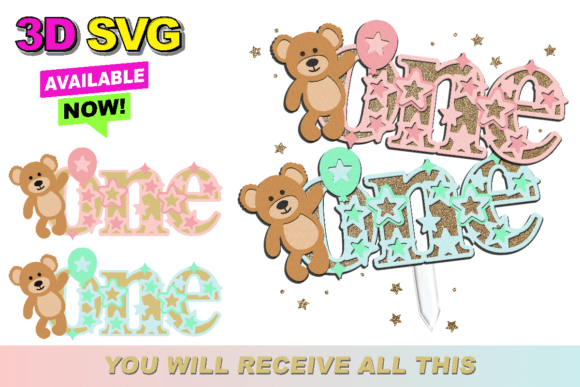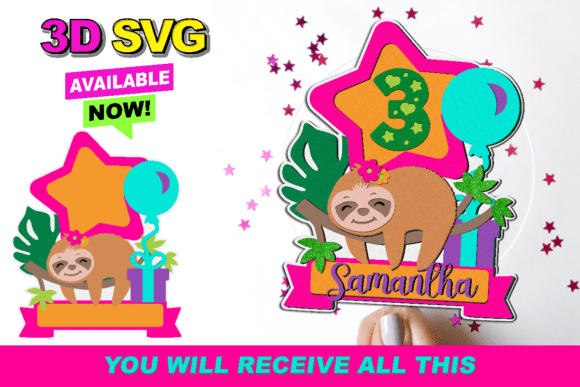
Baby Sloth Cake Topper 3D SVG
Creating memorable moments often starts with the smallest details, and few things capture attention quite like a custom cake topper. If you are looking to add a touch of whimsy and charm to your next celebration, the Baby Sloth Cake Topner 3D SVG collection offers a compelling solution for crafters and designers alike. This innovative digital asset is designed not just as a flat image, but as a layered file that creates depth and dimension when cut from cardstock or foam board. However, navigating the world of digital crafting files requires more than just hitting "print" or "cut." To ensure your final product looks professional rather than amateurish, it is essential to understand the nuances of file compatibility, material selection, and assembly techniques.
The appeal of this specific design lies in its versatility and immediate accessibility. Once downloaded, these files are ready for immediate use, allowing creators to transition from idea to execution in minutes. But before you load your cutting mat, there are several practical considerations that can make the difference between a stunning centerpiece and a frustrating experience. Let’s explore what makes this collection valuable and how to avoid common pitfalls associated with 3D SVG projects.
Understanding Compatibility and Software Requirements
One of the most frequent sources of frustration for beginners is assuming that all SVG files work seamlessly across every platform. While the Baby Sloth Cake Topper 3D SVG is crafted to be effortlessly compatible with industry-standard software like Silhouette Studio and Cricut Design Space, nuances exist. For instance, older versions of Cricut Design Space may struggle with complex layering or certain vector nodes found in high-quality 3D designs. Similarly, users of Silhouette Studio might find that their free version lacks specific grouping features necessary for organizing the multiple layers required for a true 3D effect.
To avoid wasted time and materials, always verify your software version before purchasing or downloading. It is advisable to update your software to the latest stable release. Furthermore, take a moment to open the file in your chosen program immediately after download. Check if the layers are properly grouped and if the paths are clean. A well-structured SVG will have distinct layers labeled clearly (e.g., "Layer 1," "Layer 2," or by component name). If the file appears as a single tangled mess of lines, it may require manual cleanup, which defeats the purpose of buying a premium, ready-to-use asset. Ensuring your hardware supports the file format is equally critical; some entry-level cutting machines may lack the precision needed for intricate details, leading to jagged edges on the sloth’s fur or facial features.
The Importance of Material Selection
A common mistake in crafting 3D elements is underestimating the role of material thickness and rigidity. When creating a cake topper, flexibility is often the enemy of structure. Using thin cardstock or standard copy paper will result in a floppy, unstable topper that cannot stand upright without extensive, visible support. The "3D" aspect of this SVG relies on the ability of the material to hold a fold or a rigid shape. Therefore, opting for heavier weight cardstock, chipboard, or even corrugated plastic is highly recommended.
Consider the finish as well. Matte finishes tend to hide minor cutting imperfections better than glossy ones, which can reflect light and expose uneven cuts. Additionally, think about the durability of your creation. If this topper is intended for a party where guests might touch it or if it needs to survive transport, sturdier materials will prevent bending or tearing. For those interested in using these graphics for other purposes, such as swanky shirt prints or vibrant stickers, the material choice shifts entirely. Stickers require adhesive vinyl, while apparel printing demands heat-transfer vinyl (HTV) or sublimation paper. Always match the digital file’s intended output medium with the correct physical supply.
Assembly Techniques for a Professional Finish
Even with perfect cuts, poor assembly can ruin the illusion of depth. Many users attempt to glue layers together haphazardly, resulting in visible glue stains, misalignment, or a bulky appearance that detracts from the delicate nature of a baby sloth design. Instead, adopt a methodical approach to assembly. Use low-tack adhesives like double-sided tape runners or liquid glue applied sparingly with a fine-tip applicator. Start from the back layer and work forward, ensuring each piece is centered and aligned before adhering the next.
Another overlooked detail is the base support. A 3D cake topper needs a secure foundation to stay upright on a cake surface. Some designs include a built-in stand, while others may require you to create one separately. In either case, reinforce the connection points. For example, if attaching a stick to the back of the topper, ensure the adhesive covers a sufficient surface area to bear the weight. Testing the balance on a flat surface before placing it on the actual cake can save you from embarrassing spills during the event.
Expanding Creative Possibilities Beyond Cakes
While the primary marketing for the Baby Sloth Cake Topper 3D SVG focuses on birthday bashes, its utility extends far beyond the dessert table. The same vector data can be repurposed for various merchandise items, offering significant value for small business owners and hobbyists. Imagine using the same design to create personalized gifts: vibrant stickers for water bottles, electrifying birthday bash decor like banners and flags, or even unique t-shirt prints for family reunions.
When repurposing these files, remember to adjust the scale appropriately. A design that fits perfectly on a small cupcake may look overwhelming on a large banner. Conversely, resizing too much can lead to loss of detail. Use your software’s resize function carefully, keeping an eye on the minimum line width requirements of your cutting machine. Small details, such as the eyes or claws of the sloth, may become too fragile to cut if scaled down excessively. By planning your layout and scaling strategically, you can maximize the lifespan and utility of your purchase.
Evaluating Value and Making Informed Decisions
Before acquiring the Baby Sloth Cake Topper 3D SVG, take a moment to evaluate your specific needs. Are you a beginner looking for a simple project? Ensure the file includes clear instructions or is intuitive enough to navigate without extensive guidance. Are you a seasoned pro seeking bulk production capabilities? Verify that the licensing terms allow for commercial use if you plan to sell items made from these designs. Misunderstanding usage rights is a costly error that can lead to legal issues or forced removal of products from marketplaces.
Ultimately, the success of your project depends on preparation. By understanding software limitations, choosing appropriate materials, mastering assembly techniques, and respecting usage rights, you can transform a simple digital file into a lifetime of splendid memories and merchandise. The Baby Sloth Cake Topper 3D SVG is more than just a cute image; it is a tool for creativity. Treat it with the care and consideration it deserves, and you will be rewarded with high-quality results that delight both the creator and the recipient. Whether you are enlivening a child’s birthday party or launching a new line of themed goods, this collection provides a robust foundation for your creative endeavors.