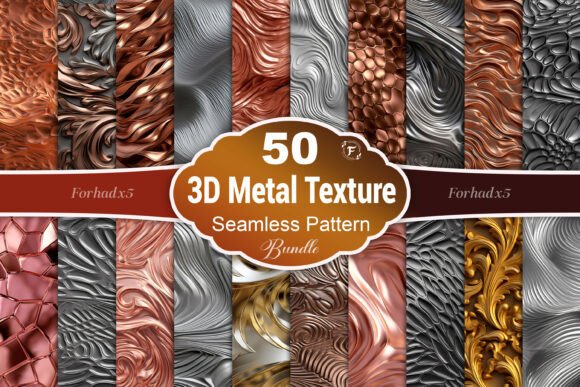
3D Metal Texture Seamless Pattern
In the world of digital design and physical product creation, texture is often the invisible force that elevates a project from "good" to "professional." Among the various textures available, metal finishes offer a distinct advantage: they convey strength, durability, and modern sophistication. Whether you are designing a sleek website interface or preparing files for print-on-demand merchandise, incorporating realistic metallic surfaces can instantly add depth and visual interest. This is where a 3D Metal Texture Seamless Pattern becomes an indispensable asset in your creative toolkit.
A seamless pattern is designed to repeat infinitely without visible seams, allowing it to fill any background space naturally. When this concept is applied to 3D metal textures, it provides a highly detailed, realistic finish that mimics real-world materials like brushed steel, polished chrome, weathered iron, raw aluminum, and even rusted industrial surfaces. These patterns are not just flat colors; they capture the subtle scratches, grain, and reflections that make metal look authentic.
Why Choose a High-Quality Metal Texture Bundle?
Creating realistic metal textures from scratch requires advanced skills in graphic design software, knowledge of lighting physics, and significant time investment. For most creators, entrepreneurs, and marketers, this is simply not feasible. A curated 3D Metal Texture Seamless Pattern Bundle solves this problem by providing ready-to-use, high-resolution assets that deliver immediate results.
The primary value of such a bundle lies in its versatility and consistency. Instead of hunting for individual images that might clash in style or resolution, a bundle ensures that every texture shares a cohesive aesthetic quality. Each file in a premium collection typically features:
- High Resolution: Files are often provided at 2400×2400 pixels or higher, ensuring crisp detail whether used on a mobile screen or printed on a large banner.
- Seamless Tiling: The repetitive nature means you can stretch the image across any canvas size without awkward breaks or visible grid lines.
- Variety of Finishes: From the cold shine of chrome to the warm, gritty feel of rust, having multiple variations allows you to match the exact mood of your brand or project.
- RGB Color Profile: Optimized for digital screens, these patterns ensure vibrant and accurate color reproduction for web and app designs.
Practical Applications Across Industries
The utility of 3D metal textures extends far beyond simple graphic design. Because metal is associated with engineering, technology, and robustness, these patterns are particularly effective in industries that want to communicate reliability and innovation.
Digital Design and Branding
For digital creatives, metal textures are perfect for adding a premium feel to user interfaces and marketing materials. Imagine a tech startup’s landing page featuring a subtle brushed aluminum background; it immediately suggests precision and modernity. Similarly, app developers can use chrome-like gradients and textures to create buttons or headers that appear tactile and interactive.
Social media managers also benefit greatly from these assets. Creating eye-catching Instagram story highlights, YouTube thumbnails, or Pinterest pins often requires bold visuals. A rusty metal texture can evoke a sense of rugged adventure for outdoor brands, while a sleek silver finish works well for luxury electronics or automotive content. These patterns allow for rapid content creation without sacrificing quality.
Product Design and Print-on-Demand
If you are involved in the print-on-demand (POD) industry, texture is key to selling physical products. Customers cannot touch the item before buying, so the visual representation must be convincing. Using 3D metal seamless patterns as base layers for t-shirt designs, phone cases, or tote bags adds a layer of realism that flat graphics lack.
Consider designing a custom skateboard deck or a motorcycle helmet. By applying a distressed iron or carbon-fiber-inspired metal texture, you create a design that looks engineered rather than just printed. This approach is equally effective for sublimation projects, where the texture blends seamlessly with the fabric or material, enhancing the perceived value of the final product.
Packaging and Stationery
In the realm of physical goods, packaging plays a crucial role in first impressions. Adding a metallic edge to business cards, invitation suites, or product boxes can make them stand out on a shelf. A subtle brushed steel pattern on a black background creates a striking contrast that feels expensive and thoughtful. For stationery, these textures can transform ordinary notebooks or planners into items that appeal to professionals who appreciate industrial aesthetics.
Important Considerations for Best Results
While using 3D metal textures is straightforward, there are a few best practices to keep in mind to ensure your designs remain effective and professional.
Contrast is Key: Metal textures, especially shiny ones like chrome or polished steel, can be visually busy. When placing text or logos over these backgrounds, ensure there is sufficient contrast. Use solid-colored containers, drop shadows, or semi-transparent overlays to make your primary message pop. Darker metal textures pair well with white or bright yellow text, while lighter brushed metals work beautifully with dark navy or charcoal typography.
Subtlety Over Dominance: In many cases, less is more. A full-screen metal texture can sometimes overwhelm the viewer. Try using the pattern as a background element behind other content, or apply it sparingly to borders and accents. This technique adds depth without distracting from the core information you are trying to convey.
Context Matters: Not every brand should use metal textures. While they work wonderfully for tech, automotive, construction, and fitness brands, they may feel out of place for companies focused on softness, nature, or pastel aesthetics. Always consider your target audience and brand identity before committing to an industrial look.
File Format Flexibility: Most bundles provide JPG files, which are widely compatible and easy to use in programs like Photoshop, Canva, Illustrator, or Procreate. However, if you need to scale your designs significantly or edit specific parts of the texture, checking if vector versions (like EPS or AI) are available can save you time in the long run. For most digital and standard print needs, however, high-resolution JPGs are more than sufficient.
Conclusion
Integrating a 3D Metal Texture Seamless Pattern into your workflow is a smart way to enhance the visual quality of both digital and physical projects. It bridges the gap between simple graphic design and complex 3D rendering, offering a practical solution for creators who need professional results quickly. Whether you are building a brand identity, creating engaging social media content, or launching a line of custom merchandise, these textures provide the industrial edge and realistic detail needed to captivate your audience. By leveraging the right bundle, you gain access to a versatile library of assets that can elevate your work from ordinary to exceptional.