3D Laser Cut Candle Lantern: Elevating Ambient Design with Precision Craft
The intersection of traditional craftsmanship and modern digital fabrication has given rise to a new wave of interior design elements that are both deeply personal and technically sophisticated. Among these innovations, the 3D Laser Cut Candle Lantern stands out as a prime example of how technology can enhance, rather than replace, the artistry of handmade goods. These lanterns are not merely containers for light; they are intricate sculptures that manipulate shadow, texture, and illumination to create immersive atmospheres. For designers, hobbyists, and small business owners alike, understanding the mechanics and creative potential of these pieces is essential for staying ahead in a market that increasingly values uniqueness and tactile quality.
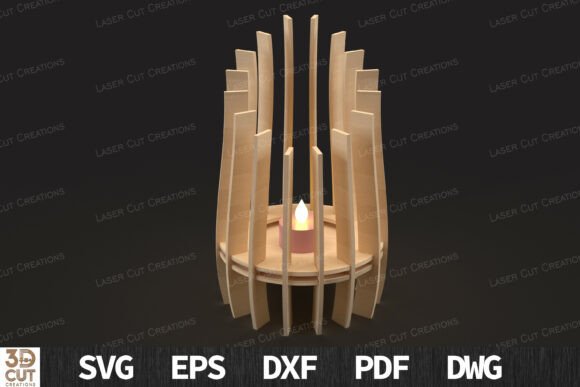
At its core, a 3D laser cut candle lantern utilizes precision cutting technology to transform flat sheets of material—typically wood, acrylic, or thick cardstock—into complex, interlocking three-dimensional structures. Unlike traditional two-dimensional paper cutouts, these designs rely on depth and layering. The "3D" aspect comes from the strategic placement of multiple layers, each cut with distinct patterns that, when stacked and illuminated from within, cast dynamic shadows. This effect transforms a simple flame or LED bulb into a moving canvas of light and dark, creating an ambiance that static decor simply cannot replicate. The relevance of this medium lies in its ability to bridge the gap between mass-produced uniformity and bespoke artisanal work, offering a level of detail that appeals to contemporary aesthetic sensibilities.
The Evolution of Digital Crafting and Material Versatility
The popularity of laser-cut designs has surged in recent years, driven by the democratization of digital manufacturing tools. What was once the domain of industrial factories is now accessible to independent creators through desktop CNC machines and laser cutters. This shift has fundamentally changed how people approach home decor and gift-giving. There is a growing consumer fatigue with generic, factory-made items, leading to a heightened appreciation for products that show evidence of human curation and technical precision. The 3D Laser Cut Candle Lantern embodies this trend by offering a product that feels substantial and thoughtfully engineered.
One of the most significant advantages of this craft is the versatility of materials. While wood remains a classic choice for its warmth and natural grain, modern creators are experimenting with layered acrylics for a glowing, stained-glass effect, or even metal meshes for industrial-chic aesthetics. The structural integrity of these lanterns depends heavily on the precision of the cuts, which allows for delicate filigree work that would be nearly impossible to achieve by hand without risking breakage. This precision ensures that the final product is not only beautiful but durable, capable of withstanding the heat generated by candles (when using appropriate safety measures) or the daily handling of decorative use.
Unlocking Creative Potential Through Multi-Format Digital Assets
For professionals and hobbyists looking to enter this space, the barrier to entry has never been lower, thanks largely to the availability of high-quality digital assets. When you acquire a package containing unique designs in a variety of file formats such as SVG, DXF, EPS, PDF, and DWG, you are gaining access to a versatile toolkit that adapts to different workflows and software environments. This multi-format compatibility is crucial for seamless integration into existing creative processes.
- SVG (Scalable Vector Graphics): Ideal for web-based design software and vector editors like Adobe Illustrator or Inkscape. SVG files maintain their crisp edges at any scale, making them perfect for preparing designs for laser cutting where precision is paramount.
- DXF (Drawing Exchange Format): A standard format widely supported by CAD software and laser cutting machines. DXF files ensure that the geometric data translates accurately from screen to machine, minimizing errors during the cutting process.
- EPS (Encapsulated PostScript): Often used in professional print production, EPS files preserve vector data and are excellent for sending designs to commercial printers or high-end plotters.
- PDF (Portable Document Format): Useful for sharing designs across platforms and for direct printing if the material allows. PDFs retain layout integrity, ensuring that the design appears exactly as intended regardless of the device used to view it.
- DWG (Drawing Window Format): Native to AutoCAD, this format is preferred by engineers and architects who require precise dimensional control and layer management.
This diversity in file formats means that whether you are working with a hobbyist-grade diode laser or an industrial CO2 cutter, you have the right asset to execute your vision. It also facilitates collaboration between designers and manufacturers, reducing friction in the production pipeline. For entrepreneurs, this means faster time-to-market and the ability to offer customizations to clients without starting from scratch every time.
Beyond Decor: Expanding Applications in Modern Workflows
While the primary association with laser-cut designs is often home decor, the practical applications extend far beyond placing a lantern on a mantelpiece. The 3D Laser Cut Candle Lantern serves as a foundational design element that can be adapted for various industries. For instance, in the realm of event planning, these lanterns can be customized with wedding dates or monograms, serving as elegant table centerpieces that double as favors for guests. The interplay of light and shadow adds a romantic, cinematic quality to receptions and parties, enhancing the overall sensory experience.
In the world of fashion and textiles, the principles behind laser cutting are being applied to create intricate overlays for clothing, bags, and accessories. Designs originally conceived for lanterns can be scaled and adapted to create lace-like patterns on fabric or leather. Similarly, in stationery and packaging design, laser-cut techniques allow for the creation of windowed boxes, intricate greeting cards, and interactive invitations. The precision of the cut ensures clean edges and professional finishes, elevating the perceived value of the product. For bloggers and content creators, these visually striking objects make for compelling photography subjects, driving engagement through social media platforms that prioritize visual storytelling.
Practical Implications for Creators and Businesses
For those considering integrating 3D Laser Cut Candle Lantern designs into their business or creative practice, there are several practical considerations to keep in mind. First, material selection is critical. Different materials react differently to laser cutting; some may char or discolor, while others may melt excessively. Understanding the kerf—the width of the material removed by the laser—is essential for ensuring that interlocking parts fit together snugly. This knowledge prevents gaps in the structure and ensures the lantern holds its shape under its own weight.
Furthermore, safety cannot be overstated. When using real flames, it is imperative to use non-flammable materials for the outer layers and to include ventilation holes to prevent overheating. Many modern designs incorporate LED tea lights instead of open flames, offering a safer alternative that still captures the warm glow of candlelight. This adaptation opens up new possibilities for placement, allowing lanterns to be used in areas where open flames might be prohibited, such as in offices, children’s rooms, or certain public venues.
Marketing these products requires a focus on the story behind the craft. Consumers are drawn to the narrative of handmade quality combined with technological precision. Highlighting the intricate details, the sourcing of materials, and the customization options available can significantly enhance brand loyalty. Additionally, providing care instructions and assembly guides adds value to the customer experience, reducing returns and increasing satisfaction.
Embracing Limitless Possibilities
The true power of these designs lies in their adaptability. They are not static products but rather templates for creativity. Whether you are a seasoned professional looking to expand your product line or a hobbyist eager to bring a personal touch to your living space, the potential is vast. From personalized gifts that convey deep sentiment to stylish decor pieces that anchor a room’s aesthetic, the 3D Laser Cut Candle Lantern offers a canvas for expression that is both timeless and modern.
As we continue to navigate a world that balances digital efficiency with a longing for tangible connection, projects like these remind us of the beauty that emerges when technology serves creativity. By leveraging the right tools, formats, and materials, anyone can contribute to this evolving landscape. Let your imagination run wild with all the possibilities these designs provide. The combination of precise engineering and artistic vision creates something greater than the sum of its parts, resulting in objects that illuminate not just spaces, but also the creative spirit of their makers and users alike.